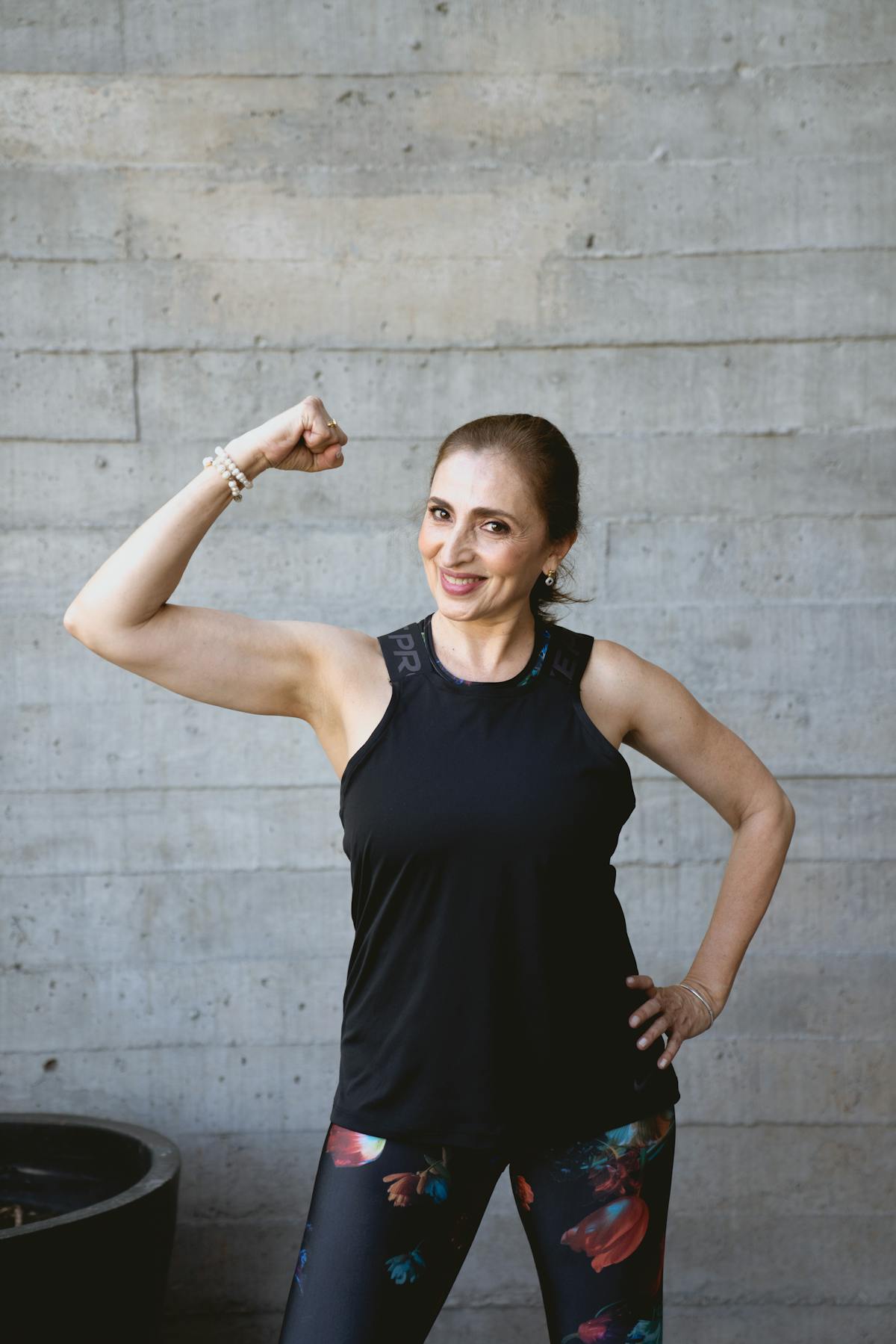
If there's one thing I wish every woman over 40 understood, it's this: strength training isn't optional—it's essential. Not for aesthetics (though that's a nice bonus), but for your bones, your metabolism, your independence, and quite literally, your longevity.
I've trained countless women in their 40s, 50s, and beyond here in Los Angeles, and the transformation that happens when they commit to lifting weights goes far deeper than physical appearance. They stand taller. They move with more confidence. They tell me they feel stronger than they did in their 30s.
Let's dive into why strength training becomes not just beneficial, but critical, as we age—and how to get started if you've been hesitant.
The Bone Density Crisis No One Talks About
Here's a sobering statistic: women can lose up to 20% of their bone density in the five to seven years following menopause. Osteoporosis isn't just about getting shorter—it's about fractures that can be life-altering or even fatal in older age.
The good news? Strength training is one of the most effective interventions for maintaining and even building bone density. When you lift weights, you create mechanical stress on your bones. Your body responds by making those bones denser and stronger.
"I started lifting weights at 52 because I was terrified of becoming fragile like my mother. Three years later, my DEXA scan showed I'd actually increased my bone density. My doctor was amazed." — Sarah, client
Metabolism and the Muscle-Fat Exchange
Starting around age 30, we begin losing muscle mass—approximately 3-8% per decade, accelerating after 60. This process, called sarcopenia, is one of the primary reasons metabolism seems to "slow down" with age.
Muscle is metabolically active tissue. The more muscle you have, the more calories you burn at rest. When you lose muscle and gain fat (a common pattern as we age), your metabolism slows, making weight management increasingly difficult.
Strength training reverses this equation. By building and maintaining muscle mass, you:
- Increase your resting metabolic rate
- Improve insulin sensitivity and blood sugar regulation
- Create a more favorable body composition
- Build the strength needed for daily activities
Hormonal Support During Perimenopause and Beyond
The hormonal shifts of perimenopause and menopause affect everything from mood to sleep to body composition. While strength training can't replace declining estrogen, it can help mitigate many of its effects:
- Improved sleep quality — Regular resistance training has been shown to improve sleep patterns
- Better mood regulation — Exercise releases endorphins and can help with anxiety and depression
- Reduced hot flashes — Some studies suggest regular exercise can decrease the frequency and intensity of hot flashes
- Maintained cognitive function — Strength training has been linked to better brain health and reduced dementia risk
Functional Strength for Independent Living
Think about what you want your life to look like at 70, 80, or beyond. Do you want to carry your own groceries? Get up from the floor if you fall? Travel independently? Play with grandchildren?
All of these activities require strength. The squats you do today are training you to get up from a chair at 85. The deadlifts are preparing you to pick up a suitcase. The rows are ensuring you can push yourself up if you fall.
This isn't about vanity—it's about freedom and independence in your later years.
Getting Started: A Practical Approach
If you're new to strength training or returning after years away, here's how to begin:
Start with the Fundamentals
Focus on compound movements that work multiple muscle groups:
- Squats (or sit-to-stands from a chair)
- Hinges (deadlifts or good mornings)
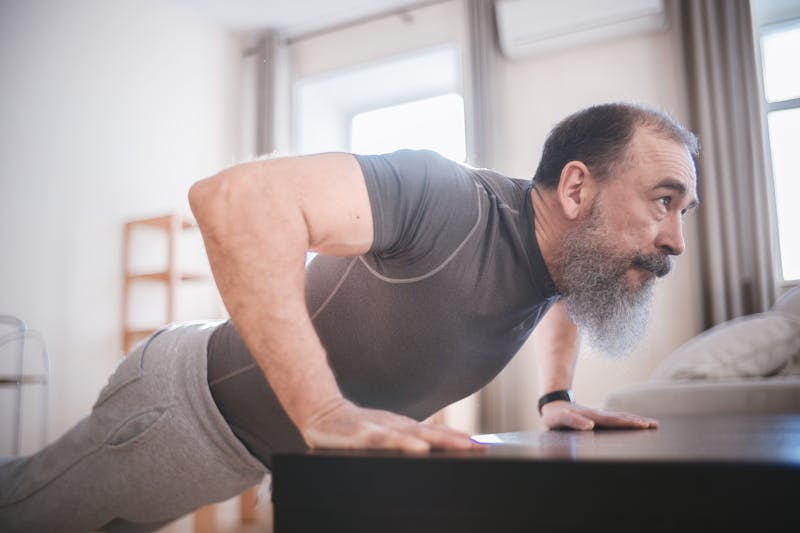
- Pushes (push-ups or chest press)
- Pulls (rows or lat pulldowns)
- Carries (farmer's walks)
Progressive Overload is Key
Your body adapts to stress. To continue making progress, you need to gradually increase the challenge—whether through more weight, more reps, or more sets. This doesn't mean jumping to heavy weights immediately, but it does mean not staying at the same 5-pound dumbbells forever.
Recovery Matters More Now
Your recovery capacity changes with age. This doesn't mean you can't train hard—it means you need to be smarter about programming rest days, prioritizing sleep, and managing overall stress.
It's Never Too Late to Start
I've had clients begin strength training in their 60s and 70s and see remarkable results. Research consistently shows that muscle responds to training at any age. Yes, starting earlier gives you more runway, but starting today is always better than not starting at all.
The weights will feel heavy at first. You might be sore. You might feel awkward. But within weeks, you'll notice changes—not just in the mirror, but in how you move through your daily life.
If you're in Los Angeles and ready to begin your strength training journey with expert guidance tailored to your body and goals, I'd love to help. Because this isn't about becoming someone different—it's about becoming the strongest version of who you already are.

Sources & Further Reading
- NIH: Bone Mass Measurement — Information on bone density changes
- PubMed: Sarcopenia Research — Age-related muscle loss studies
- Mayo Clinic: Strength Training Basics
- ACSM: Physical Activity Guidelines — American College of Sports Medicine
- The Menopause Society: Exercise and Menopause