One of the most common questions I get from my clients is about protein. "Am I eating enough?" "Will too much protein make me bulky?" "Do I really need a protein shake after every workout?" The confusion is understandable—nutrition advice seems to change constantly, and much of it has been designed with men in mind.
Let's cut through the noise and talk about what active women actually need when it comes to protein intake.
Why Protein Matters (Especially for Active Women)
Protein isn't just about building muscle—though that's certainly important. This macronutrient plays crucial roles in:
- Muscle repair and recovery after workouts
- Maintaining lean body mass as we age
- Hormone production and regulation
- Immune function and overall health
- Satiety and appetite regulation
- Bone health (yes, protein supports bones too!)
When you exercise, you create microscopic tears in your muscle fibers. Protein provides the amino acids needed to repair and strengthen those fibers. Without adequate protein, your body can't fully recover from your workouts—meaning you won't see the results you're working so hard for.
The Numbers: How Much Do You Actually Need?
The outdated RDA (Recommended Dietary Allowance) for protein is 0.8 grams per kilogram of body weight. However, this recommendation was designed to prevent deficiency in sedentary individuals—not to optimize health and performance for active women.
Current research suggests active women should aim for significantly more:
General Recommendations
- Moderately active women: 1.2-1.6 g/kg body weight
- Highly active/strength training: 1.6-2.2 g/kg body weight
- During fat loss phases: Up to 2.4 g/kg to preserve muscle
In practical terms, for a 140-pound (64 kg) woman who strength trains regularly, this translates to approximately 100-140 grams of protein per day.
"When I finally started hitting my protein targets, everything changed. My recovery improved, I stopped feeling constantly hungry, and I finally started seeing muscle definition I'd been chasing for years." — Michelle, client
Timing: Does It Really Matter?
You've probably heard about the "anabolic window"—the idea that you need to consume protein immediately after your workout or miss out on gains. The good news? This window is much larger than we once thought.
What matters more than precise timing is:
- Total daily protein intake — This is the biggest factor
- Distribution throughout the day — Aim for 25-40g per meal
- Consuming protein within a few hours of training — Not within minutes
If you train first thing in the morning on an empty stomach, prioritizing protein after your workout makes sense. If you ate a balanced meal an hour before training, you have more flexibility.
Quality Sources of Protein
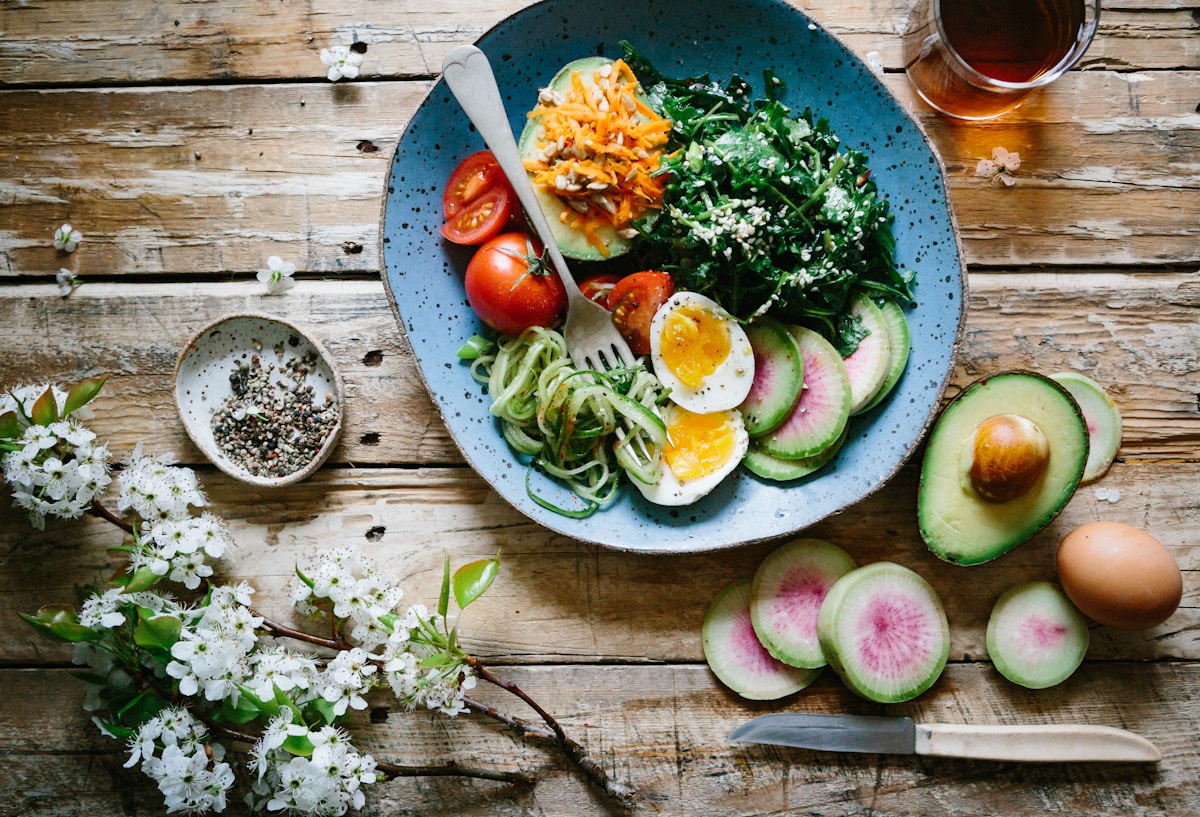
Not all protein is created equal. "Complete" proteins contain all nine essential amino acids your body can't produce on its own. Here are some excellent sources:
Animal-Based (Complete Proteins)
- Chicken breast — ~31g per 4 oz
- Wild salmon — ~25g per 4 oz
- Eggs — ~6g each
- Greek yogurt — ~15-20g per cup
- Cottage cheese — ~14g per ½ cup
- Lean beef — ~26g per 4 oz
Plant-Based Options
- Tofu — ~20g per cup
- Tempeh — ~31g per cup
- Lentils — ~18g per cup (cooked)
- Edamame — ~17g per cup
- Quinoa — ~8g per cup (cooked)
Common Myths Debunked
Myth: "Protein will make me bulky"
This is perhaps the most persistent myth in women's fitness. Building significant muscle mass requires not just protein, but also a caloric surplus, progressive resistance training, and—for dramatic results—testosterone levels that most women simply don't have. Adequate protein will help you build lean, toned muscle and actually create a more defined physique.
Myth: "I can only absorb 30g of protein at once"
Your body can absorb virtually all the protein you eat. The 30g myth comes from research on muscle protein synthesis, which does max out around 25-40g per meal. But absorption and utilization are different things. Excess protein is still used for other bodily functions or converted to energy.
Myth: "High protein damages your kidneys"
For healthy individuals with no pre-existing kidney conditions, high protein intake has not been shown to cause kidney damage. If you have kidney disease, work with your doctor. Otherwise, don't let this myth scare you away from adequate protein.
Practical Tips for Hitting Your Protein Goals
- Prioritize protein at every meal — Build your meals around your protein source
- Prep protein in advance — Cook chicken, hard-boil eggs, or prep overnight oats with protein powder on Sundays
- Keep high-protein snacks accessible — Greek yogurt, string cheese, jerky, protein bars
- Consider a protein supplement — Whey, plant-based, or collagen can help fill gaps
- Track for a week — You might be surprised how much (or how little) you're actually eating
The Bottom Line
If you're an active woman, you almost certainly need more protein than you're currently eating. Start by tracking your intake for a week to establish your baseline, then gradually increase toward your target. Focus on whole food sources first, supplementing only as needed to hit your goals.
Remember: protein isn't the enemy. It's one of the most powerful tools you have for building the strong, capable body you're working toward in the gym.
Sources & Further Reading
- ISSN Position Stand: Protein and Exercise — International Society of Sports Nutrition
- PubMed: Dietary Protein for Athletes — Research on optimal protein intake
- Harvard Health: How Much Protein Do You Need?
- ACSM: Sports Nutrition Resources