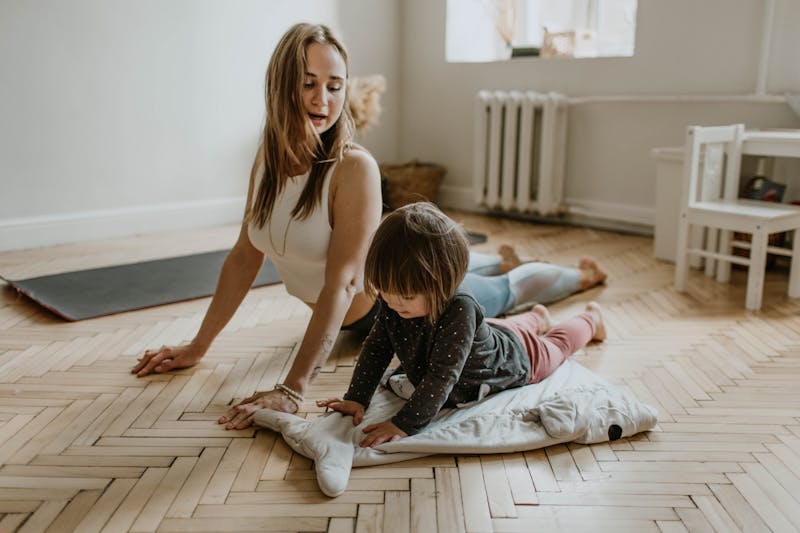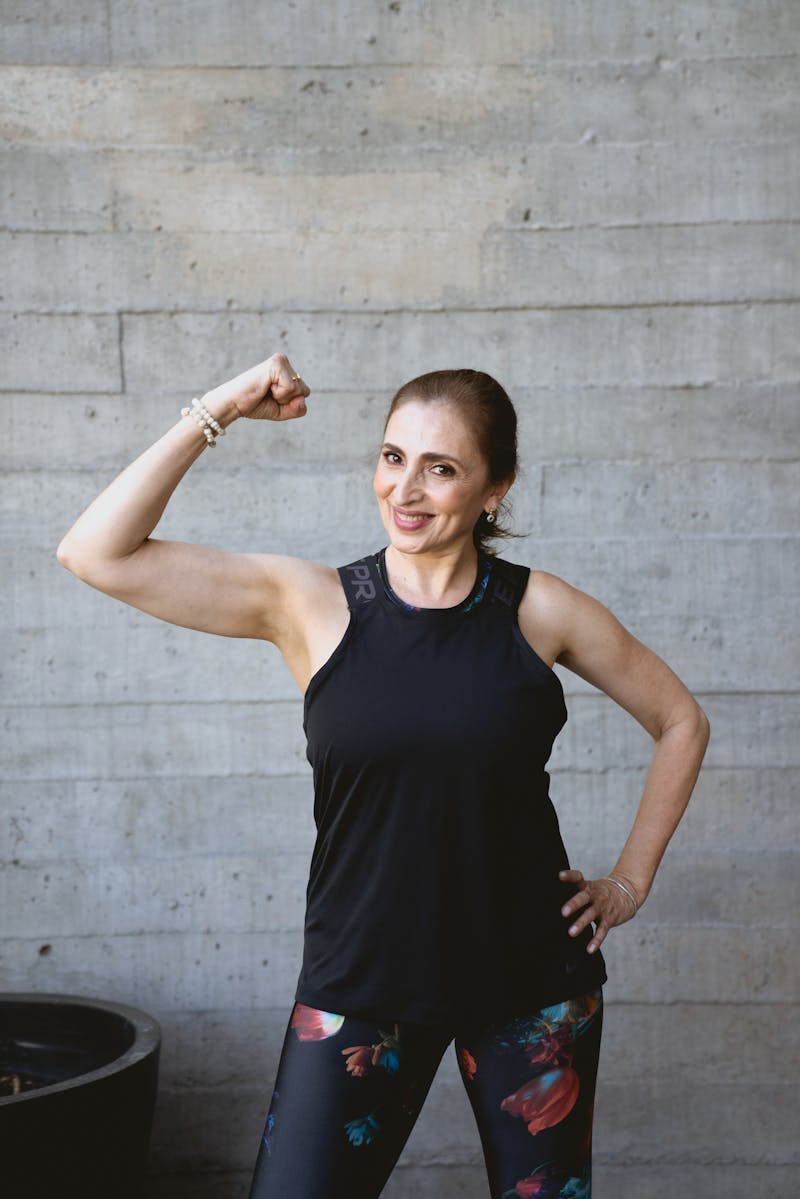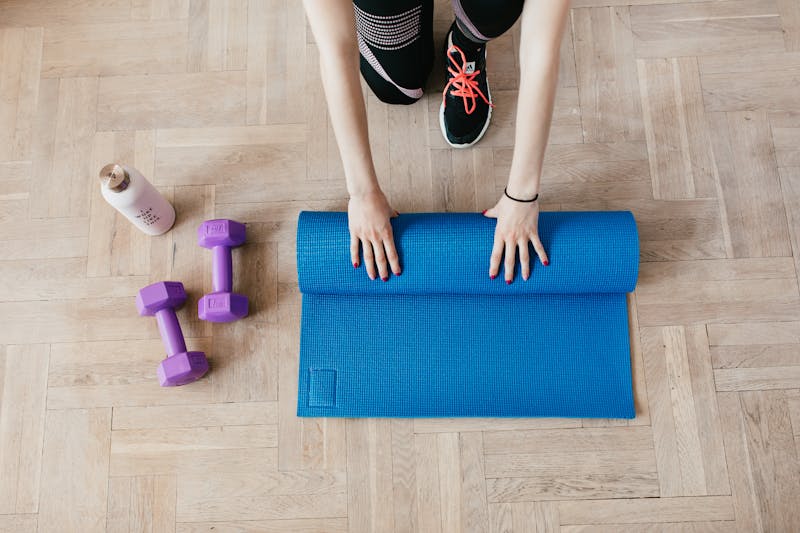
Staying active during pregnancy is one of the best things you can do for yourself and your baby. As a prenatal fitness specialist who has worked with hundreds of expecting mothers in Los Angeles, I've seen firsthand how the right exercise routine can transform the pregnancy experience—reducing discomfort, boosting energy, and preparing your body for labor and recovery.
But I also understand the anxiety that comes with exercising while pregnant. Every body is different, and what worked before pregnancy may need to be modified. In this guide, I'll walk you through safe, effective exercises for each trimester, helping you maintain your fitness while prioritizing your and your baby's wellbeing.
First Trimester: Laying the Foundation
The first trimester is often the most challenging mentally—you're experiencing significant changes, but they're largely invisible to the outside world. Fatigue and nausea are real, and some days, getting off the couch feels like an achievement.
Here's my advice: listen to your body. If you were active before pregnancy, you can generally continue your routine with some modifications. If you're new to exercise, now is a great time to start—gently.
Safe Activities for the First Trimester
- Walking: The most accessible exercise. Aim for 20-30 minutes daily.
- Swimming: Excellent for reducing joint stress while maintaining cardiovascular fitness.
- Light strength training: Focus on foundational movements with moderate weights.
- Prenatal yoga: Great for flexibility and stress relief.
"The first trimester taught me that fitness isn't about pushing through—it's about showing up for yourself, even when 'showing up' means a gentle walk around the block."
Second Trimester: The Sweet Spot
Many women find the second trimester to be the most enjoyable for exercise. Nausea typically subsides, energy returns, and your bump is present but not yet limiting movement significantly.
This is the time to focus on building strength that will support you through the third trimester and labor. Pay special attention to:
- Core stability (not traditional crunches—think bird dogs, modified planks, and pelvic tilts)
- Glute and hip strength to support your changing posture
- Upper back exercises to counteract forward shoulder pull
- Pelvic floor awareness through proper breathing techniques
Modifications to Make
Around 20 weeks, you'll want to avoid lying flat on your back for extended periods, as this can compress the vena cava and reduce blood flow. Use an incline bench or prop yourself up with pillows for exercises that traditionally require a supine position.
Third Trimester: Preparing for Birth
The third trimester is about maintenance and preparation. Your body is working hard, and high-intensity exercise should take a back seat to movement that feels good and prepares you for labor.
Focus shifts to:
- Hip mobility: Exercises that open the hips and prepare the pelvis
- Breathing techniques: Connecting breath to movement, which translates directly to labor
- Gentle strength maintenance: Bodyweight or very light resistance
- Walking and swimming: Lower impact activities that keep you moving
Warning Signs to Stop Exercising
While exercise is generally safe and beneficial during pregnancy, certain symptoms warrant immediate rest and a call to your healthcare provider:
- Vaginal bleeding or fluid leakage
- Dizziness or feeling faint
- Chest pain or heart palpitations
- Severe headache
- Calf pain or swelling
- Contractions or abdominal pain
- Decreased fetal movement
The Bottom Line
Pregnancy is not a time to set personal records or push your limits—it's a time to support your body through an incredible transformation. The "best" prenatal workout is the one that leaves you feeling energized rather than depleted, strong rather than strained.
If you're in the Los Angeles area and looking for personalized prenatal fitness guidance, I offer specialized programming for expecting mothers at every stage. Together, we can create a routine that honors where you are today while preparing you for the journey ahead.
Sources & Further Reading
- ACOG: Exercise During Pregnancy — American College of Obstetricians and Gynecologists guidelines
- NIH: Yoga Effectiveness and Safety — National Center for Complementary and Integrative Health
- American Pregnancy Association: Exercise Guidelines
- PubMed: Effects of Prenatal Yoga on Labor Outcomes — 2022 meta-analysis